
MICE & News
How to increase productivity by saving time and better facilitate smooth operations for your warehouse
In order to ensure the efficiency of a warehouse, and ultimately your customers’ satisfaction, space is a crucial factor. There are many effective and practical ways to increase your storage capacity, and it doesn’t have to be through adding extra square footage, which is often a costly process. Maximizing space by going vertical is one of the smartest tips for storing goods. All you need is some extra shelves and the right equipment to facilitate warehouse work and to appropriately place items. Different types of shelving will help you sort out materials according to their size and type. For instance, pallet shelves are not practical for small items. This would only be a waste of space and a misplacement of certain kinds of goods.
Adopting a warehouse management system increases inventory accuracy and ensures that you are satisfying your customers and providing them with the right connections. Nowadays, consumers want their desires fulfilled wherever they are and however possible. The management system provides the desired alignment among advanced purchase methods, services fulfillment, and inventory management. One of the required options to help manage your warehouse is warehouse simulation modeling. This technology will allow you to experiment with different operations and several variables in order to accommodate the best solutions in a virtual setting. Physical testing to find out what’s best for your needs is time-consuming, financially imprudent, and is not capable of providing the best results.
To best manage your warehouse, you need a management system to create a better environment for labor efficiency. This will increase productivity by saving time and better facilitate smooth operations for your workforce. Organizing workflow, resource usage, and space utilization are critical to your business’s growth and expansion. Training employees to work with technological methods makes you a part of today’s advancement in business processes and customer fulfillment.
Finding substantial solutions for developing your warehousing system requires a better understanding of today’s variables. Considering a management system for your warehouse will help you improve the entire process from the layout of the distribution center to organizing shelves, and properly utilizing space. Warehouse management remains a crucial aspect of conducting business in this day and age. Facilitating a seamless workplace, promoting labor efficiency, and implementing modern methods are very important factors to incorporate in order to achieve your desired results.
Source: https://techbullion.com/how-to-better-understand-and-improve-a-real-warehousing-system/
Read MoreAdopting a warehouse management system increases inventory accuracy and ensures that you are satisfying your customers and providing them with the right connections. Nowadays, consumers want their desires fulfilled wherever they are and however possible. The management system provides the desired alignment among advanced purchase methods, services fulfillment, and inventory management. One of the required options to help manage your warehouse is warehouse simulation modeling. This technology will allow you to experiment with different operations and several variables in order to accommodate the best solutions in a virtual setting. Physical testing to find out what’s best for your needs is time-consuming, financially imprudent, and is not capable of providing the best results.
To best manage your warehouse, you need a management system to create a better environment for labor efficiency. This will increase productivity by saving time and better facilitate smooth operations for your workforce. Organizing workflow, resource usage, and space utilization are critical to your business’s growth and expansion. Training employees to work with technological methods makes you a part of today’s advancement in business processes and customer fulfillment.
Finding substantial solutions for developing your warehousing system requires a better understanding of today’s variables. Considering a management system for your warehouse will help you improve the entire process from the layout of the distribution center to organizing shelves, and properly utilizing space. Warehouse management remains a crucial aspect of conducting business in this day and age. Facilitating a seamless workplace, promoting labor efficiency, and implementing modern methods are very important factors to incorporate in order to achieve your desired results.
Source: https://techbullion.com/how-to-better-understand-and-improve-a-real-warehousing-system/
Coca-Cola is going to great lengths to transport materials by using bulk shipping vessels amid the ongoing shipping crisis
Due to shortages delaying transportation, and in extreme cases halting it altogether, companies like Coca-Cola have had to get creative with the transportation of goods and materials across the world.
Coca-Cola is going to great lengths to transport materials by using bulk shipping vessels amid the ongoing shipping crisis. The carriers, which are normally used for loose goods such as grain, coal, and other raw materials, were chosen because the beverage company could not get the shipping containers and cargo space needed for transportation, Alan Smith, the procurement director of global logistics at Coca-Cola wrote in a post on LinkedIn. The company is currently using three of these ships to transport manufacturing materials.
Retailers like Costco and Target have chartered their own cargo ships, finding creative ways to combat these issues, but ports are still backed up causing mass delays because of the ongoing labor shortage and the increasing number of ships back on the ocean.
The ongoing supply chain crisis combined with shipping delays have already created shortages and price hikes across the country. In September, Coca-Cola's New York distributor said it's having a hard time recruiting truckers, further disrupting the supply chain, Insider reported. Other goods and products like paper, Nike sneakers, toilet paper, computer chips, and plastic goods are also in short supply as manufacturers try to meet demand amid the delays.
"No container, no problem," one user wrote on Twitter. "No, this isn't normal and it isn't really a great sign either."
Source: https://www.businessinsider.com/coca-cola-uses-bulk-vessels-amid-shipping-crisis-2021-10
Read MoreCoca-Cola is going to great lengths to transport materials by using bulk shipping vessels amid the ongoing shipping crisis. The carriers, which are normally used for loose goods such as grain, coal, and other raw materials, were chosen because the beverage company could not get the shipping containers and cargo space needed for transportation, Alan Smith, the procurement director of global logistics at Coca-Cola wrote in a post on LinkedIn. The company is currently using three of these ships to transport manufacturing materials.
Retailers like Costco and Target have chartered their own cargo ships, finding creative ways to combat these issues, but ports are still backed up causing mass delays because of the ongoing labor shortage and the increasing number of ships back on the ocean.
The ongoing supply chain crisis combined with shipping delays have already created shortages and price hikes across the country. In September, Coca-Cola's New York distributor said it's having a hard time recruiting truckers, further disrupting the supply chain, Insider reported. Other goods and products like paper, Nike sneakers, toilet paper, computer chips, and plastic goods are also in short supply as manufacturers try to meet demand amid the delays.
"No container, no problem," one user wrote on Twitter. "No, this isn't normal and it isn't really a great sign either."
Source: https://www.businessinsider.com/coca-cola-uses-bulk-vessels-amid-shipping-crisis-2021-10
Raising the Profile & Importance of the Supply Chain Manager
Supply chain management has become a much more important business function in all companies since the pandemic began in February 2020. Let’s frame the issues which have made this executive and management change occur.
The Covid-19 pandemic has been devastating to the performance of both domestic and global supply chains. The disruption, uncertainty, cost escalations, and delays which began in March 2020, continue into the fall of 2021.
The crisis caused by a disturbing and unanticipated imbalance between demand and supply in all world markets has resulted in unprecedented challenges facing all managers and operations personnel engaged in the supply chain, procurement, manufacturing, warehousing, logistics, transportation, customer service, import/export, and sales. The challenges and their impact extend to all the support functions to supply chains: service providers, freight forwarders, carriers, 3PL’s, technology providers, consolidators, and distributors.
While the supply chain has generally had a “subordinated” posture in most companies, the Pandemic has now elevated this area of responsibility because the consequences of poor performance and failure are so impactful in the success of a business’s margin, profit, growth, and sustainability.
The importance of this area runs equally now to the importance of the supply chain manager, who may be known under the various “Titles” in the organization. Supply Chain, Procurement, Logistics, Warehousing & Distribution, Manufacturing, Materials Management, Demand Planning, etc. The disruption has impacted every company, executive, and business vertical. And we must also acknowledge the consequences to people and their families.
The impact to supply chains has moved up the ladder in every company all the way to the CEO, The Board, and the Shareholders. Supply Chain Managers and their colleagues have been forced due to the disorder in their business models, to work harder, work smarter and ultimately bring resources, experiences, and capabilities to the benefit of the disruptive impacts of the Pandemic. Supply Chain Managers have been now tested in areas as never seen previously. Most companies, over time, have seen physical, weather-related geopolitical events impact their supply chains. Negative events happen all the time.
With all these concerns having been identified as the “new reality” the good news is that many organizations’ talents, particularly in supply chain functions are finding ways to meet these challenges and maintaining their company’s business models to a necessary extent of successful operations.
The new roles and responsibilities of The Pandemic Supply Chain Manager require them to “think-out-of-the-box” and create approaches that were never thought of or utilized previously.
Supply Chain Managers have become “Frontline Heroes” in the face of this Pandemic and deserve much credit and recognition for keeping supply chains functioning in the face of all these challenges. This has and will continue to “raise the profile & importance” of Supply Chain Management in all companies’ business models. Additionally, senior management is recognizing their value to the organization, which has been a long-time coming.
Source: https://www.globaltrademag.com/spotlight-on-supply-chain-management-raising-the-profile-importance-of-the-supply-chain-manager/
Read MoreThe Covid-19 pandemic has been devastating to the performance of both domestic and global supply chains. The disruption, uncertainty, cost escalations, and delays which began in March 2020, continue into the fall of 2021.
The crisis caused by a disturbing and unanticipated imbalance between demand and supply in all world markets has resulted in unprecedented challenges facing all managers and operations personnel engaged in the supply chain, procurement, manufacturing, warehousing, logistics, transportation, customer service, import/export, and sales. The challenges and their impact extend to all the support functions to supply chains: service providers, freight forwarders, carriers, 3PL’s, technology providers, consolidators, and distributors.
While the supply chain has generally had a “subordinated” posture in most companies, the Pandemic has now elevated this area of responsibility because the consequences of poor performance and failure are so impactful in the success of a business’s margin, profit, growth, and sustainability.
The importance of this area runs equally now to the importance of the supply chain manager, who may be known under the various “Titles” in the organization. Supply Chain, Procurement, Logistics, Warehousing & Distribution, Manufacturing, Materials Management, Demand Planning, etc. The disruption has impacted every company, executive, and business vertical. And we must also acknowledge the consequences to people and their families.
The impact to supply chains has moved up the ladder in every company all the way to the CEO, The Board, and the Shareholders. Supply Chain Managers and their colleagues have been forced due to the disorder in their business models, to work harder, work smarter and ultimately bring resources, experiences, and capabilities to the benefit of the disruptive impacts of the Pandemic. Supply Chain Managers have been now tested in areas as never seen previously. Most companies, over time, have seen physical, weather-related geopolitical events impact their supply chains. Negative events happen all the time.
With all these concerns having been identified as the “new reality” the good news is that many organizations’ talents, particularly in supply chain functions are finding ways to meet these challenges and maintaining their company’s business models to a necessary extent of successful operations.
The new roles and responsibilities of The Pandemic Supply Chain Manager require them to “think-out-of-the-box” and create approaches that were never thought of or utilized previously.
Supply Chain Managers have become “Frontline Heroes” in the face of this Pandemic and deserve much credit and recognition for keeping supply chains functioning in the face of all these challenges. This has and will continue to “raise the profile & importance” of Supply Chain Management in all companies’ business models. Additionally, senior management is recognizing their value to the organization, which has been a long-time coming.
Source: https://www.globaltrademag.com/spotlight-on-supply-chain-management-raising-the-profile-importance-of-the-supply-chain-manager/
How SMEs can make better procurement decisions
Most SMEs today either use a hodge-podge of small-business tools to manage the flow of goods and materials from procurement to delivery and payment, or they outsource the management of their supply chains to third parties, which comes with its own set of limitations.
Many SMEs have the opportunity to take that process one step further by adopting a “procure-to-pay” approach to supply-chain management that integrates procurement with accounts payable. For product companies with an eye on achieving terminal velocity, procure-to-pay tools are often the launch pad.
There are wide-ranging benefits to adopting procure-to-pay solutions: visibility, business connectivity, enhanced demand planning and revenue forecasting. Each of those outcomes can ultimately be reduced to the most basic of supply chain functions: buying and paying for parts and materials.
In a perfect supply chain, you only have to order the exact amount of parts or components you need. All of those parts arrive on time, in full, at the quality you need in the right geographical location.
That, of course, rarely happens. Purchase orders change constantly, components aren’t delivered on time or have poor quality. This is a critical first-mile problem that directly affects your ability to meet customer commitments and demand. One component can mean the difference between shipping a customer’s order on time or holding onto it for weeks on end, which is why many SMEs often fall into the trap of overbuying to compensate.
In a connected supply chain, buyers are integrated directly with suppliers, allowing both to adapt and collaborate in real time on order adjustments, delivery timelines and other changes. With more visibility for those changes, SMEs can make better procurement decisions that still give them the flexibility to adapt, but not at the expense of profitability.
Source: https://www.entrepreneur.com/article/385203
Read MoreMany SMEs have the opportunity to take that process one step further by adopting a “procure-to-pay” approach to supply-chain management that integrates procurement with accounts payable. For product companies with an eye on achieving terminal velocity, procure-to-pay tools are often the launch pad.
There are wide-ranging benefits to adopting procure-to-pay solutions: visibility, business connectivity, enhanced demand planning and revenue forecasting. Each of those outcomes can ultimately be reduced to the most basic of supply chain functions: buying and paying for parts and materials.
In a perfect supply chain, you only have to order the exact amount of parts or components you need. All of those parts arrive on time, in full, at the quality you need in the right geographical location.
That, of course, rarely happens. Purchase orders change constantly, components aren’t delivered on time or have poor quality. This is a critical first-mile problem that directly affects your ability to meet customer commitments and demand. One component can mean the difference between shipping a customer’s order on time or holding onto it for weeks on end, which is why many SMEs often fall into the trap of overbuying to compensate.
In a connected supply chain, buyers are integrated directly with suppliers, allowing both to adapt and collaborate in real time on order adjustments, delivery timelines and other changes. With more visibility for those changes, SMEs can make better procurement decisions that still give them the flexibility to adapt, but not at the expense of profitability.
Source: https://www.entrepreneur.com/article/385203
Logistics is a mobile industry
Perhaps more than any other industry, transportation logistics is, quite literally, an industry in motion. Truckload freight alone accounts for more than 175 billion miles of movement over the road in the U.S. every year. The entire market for transportation management software (TMS) focuses on managing the movement of freight from inbound materials into manufacturing and production facilities, to outbound distribution to points of sale and final mile deliveries.
Aging tracking tech like electronic data interchange (EDI) using in-cab telematics is being rendered obsolete by the omnipresence of mobile phones and wireless technologies. Asset tracking and management, driver and equipment management, scheduling, fuel card management, mapping and mileage calculations, routing and dispatching processes and many other logistics tech solutions are now being delivered via mobile apps on wireless devices.
Logistics users of all persuasions — from supply chain executives to transportation planners/dispatchers and even some truck drivers themselves — have hailed the benefits of having logistics information delivered to and from their handheld devices.
Digitization can’t be realized without a mobile component. The power and promise of data aggregation are compelling organizations of all sizes to focus on digitizing their operational activity. After all, any segment of the supply chain still managed using paper-based systems stands as an obstacle to gaining end-to-end visibility and performing analysis of the upstream and downstream impacts of logistics plans. In short, either the entire end-to-end logistics function is digitized, or the benefit of digitization may not be fully realized.
Digitization is already being realized across the information systems in the back offices of carrier operations and the procurement and sales operations of shippers. Digital integrations between accounting platforms, enterprise resource planning (ERP)/order management systems, TMS, warehouse management systems (WMS), and other enterprise software see to it that data is organized, normalized and passed back and forth between these applications with increasing efficiency. This data accessibility powers increased automation levels and dramatically improved planning and execution. Yet, it is where the literal rubber meets the actual road in supply chain logistics — with drivers moving freight — that mobile tech is making the largest transformative impact.
Critical logistics documentation — like bill of lading (BOL) and proof of delivery (POD) documents — is still largely passed back and forth between drivers and consignees on paper. This not only leaves a significant digital blind spot in the process but also slows it down, requiring the paper data to be manually entered into the information systems when the driver returns. One shipper summed it up perfectly at Ignite during a panel discussion on innovation remarking, “Contactless BOLs close the loop for our digitization initiative. Before this, our entire data flow was digital except the BOLs and PODs which still required manual processing with all the delay and potential for errors that came with it. Now we’re fully digital end-to-end.”
Emerging paperless shipping documentation tech tools are closing this last remaining gap in end-to-end digitization using mobile tech. Using wireless devices, drivers at pickup and delivery locations can log pickups and deliveries digitally and in real-time, completely closing the loop on supply chain data.
The mobile apps being provided to drivers also increase speed and accuracy to the claims process, enabling photos of damaged or missing freight to instantly append claims reports. The same mobile apps provided to drivers accelerate settlement, driver pay, hours of service compliance and a host of other critical concerns. The data captured and shared via the application of mobile technologies accelerates supply chain throughput and increases operational efficiency.
Source: https://www.supplychainbrain.com/blogs/1-think-tank/post/33812-four-ways-mobile-apps-are-advancing-logistics
Read MoreAging tracking tech like electronic data interchange (EDI) using in-cab telematics is being rendered obsolete by the omnipresence of mobile phones and wireless technologies. Asset tracking and management, driver and equipment management, scheduling, fuel card management, mapping and mileage calculations, routing and dispatching processes and many other logistics tech solutions are now being delivered via mobile apps on wireless devices.
Logistics users of all persuasions — from supply chain executives to transportation planners/dispatchers and even some truck drivers themselves — have hailed the benefits of having logistics information delivered to and from their handheld devices.
Digitization can’t be realized without a mobile component. The power and promise of data aggregation are compelling organizations of all sizes to focus on digitizing their operational activity. After all, any segment of the supply chain still managed using paper-based systems stands as an obstacle to gaining end-to-end visibility and performing analysis of the upstream and downstream impacts of logistics plans. In short, either the entire end-to-end logistics function is digitized, or the benefit of digitization may not be fully realized.
Digitization is already being realized across the information systems in the back offices of carrier operations and the procurement and sales operations of shippers. Digital integrations between accounting platforms, enterprise resource planning (ERP)/order management systems, TMS, warehouse management systems (WMS), and other enterprise software see to it that data is organized, normalized and passed back and forth between these applications with increasing efficiency. This data accessibility powers increased automation levels and dramatically improved planning and execution. Yet, it is where the literal rubber meets the actual road in supply chain logistics — with drivers moving freight — that mobile tech is making the largest transformative impact.
Critical logistics documentation — like bill of lading (BOL) and proof of delivery (POD) documents — is still largely passed back and forth between drivers and consignees on paper. This not only leaves a significant digital blind spot in the process but also slows it down, requiring the paper data to be manually entered into the information systems when the driver returns. One shipper summed it up perfectly at Ignite during a panel discussion on innovation remarking, “Contactless BOLs close the loop for our digitization initiative. Before this, our entire data flow was digital except the BOLs and PODs which still required manual processing with all the delay and potential for errors that came with it. Now we’re fully digital end-to-end.”
Emerging paperless shipping documentation tech tools are closing this last remaining gap in end-to-end digitization using mobile tech. Using wireless devices, drivers at pickup and delivery locations can log pickups and deliveries digitally and in real-time, completely closing the loop on supply chain data.
The mobile apps being provided to drivers also increase speed and accuracy to the claims process, enabling photos of damaged or missing freight to instantly append claims reports. The same mobile apps provided to drivers accelerate settlement, driver pay, hours of service compliance and a host of other critical concerns. The data captured and shared via the application of mobile technologies accelerates supply chain throughput and increases operational efficiency.
Source: https://www.supplychainbrain.com/blogs/1-think-tank/post/33812-four-ways-mobile-apps-are-advancing-logistics
Are you looking for ways to reduce your logistics costs?
Any logistics business wants to reduce their supply chain costs and efficiently manage their operation while keeping their customers happy.
High customer demands have become the norm, which makes keeping up with these demands while still keeping costs low a difficult problem to overcome. Some of the costs you may incur are delayed delivery and transportation costs, fuel costs and international shipping fees.
Sound familiar? Are you looking for ways to reduce your logistics costs? The following are some strategies you should start to implement:
1. Dash Cams
Providing your fleet with dash cams will save you money. Not only do they allow you to monitor your driver’s behavior, which will prevent fines, but they will also increase efficiency and customer satisfaction. Drivers can also be better trained through real time footage, which will increase their skill levels, leading to quicker delivery times and a reduction in operational costs;
2. Consolidate Shipments
When shipping goods, you have to decide whether you want a full container load or less than a full container load. It is desirable to have a full container load of goods that are going to the same destination. This increases efficiency and also removes the need for several shipments to be sent to one location. A single shipment is also less likely to get lost. If you cannot fill a single container load, you could look to connect with other local businesses that are sending goods to the same destination and combine your loads;
3. Minimize Travel Times
Minimizing travel times means assessing where your customer base is located in relation to your own business. If it is the case that most of your shipments are to somewhere that is a long distance from you, then it is worth considering outsourcing warehousing and fulfillment. This way, you will not need to send as many single shipments and consolidate your load into one, allowing the local fulfillment center to provide delivery. This will dramatically reduce your costs while also saving time and increase efficiency;
4. Informed Decision Making
Whatever steps you take to reduce your costs, they ultimately rely on you making informed decisions. The best analytical tools available should be used to give you data that can be used to evaluate which areas can be improved and where costs can be reduced through more efficient methods. Transport management systems or warehouse management systems are available to provide this information to you so utilize them at every opportunity possible.
Source:
https://signalscv.com/2021/09/strategies-for-reducing-logistics-and-supply-chain-costs/
Read MoreHigh customer demands have become the norm, which makes keeping up with these demands while still keeping costs low a difficult problem to overcome. Some of the costs you may incur are delayed delivery and transportation costs, fuel costs and international shipping fees.
Sound familiar? Are you looking for ways to reduce your logistics costs? The following are some strategies you should start to implement:
1. Dash Cams
Providing your fleet with dash cams will save you money. Not only do they allow you to monitor your driver’s behavior, which will prevent fines, but they will also increase efficiency and customer satisfaction. Drivers can also be better trained through real time footage, which will increase their skill levels, leading to quicker delivery times and a reduction in operational costs;
2. Consolidate Shipments
When shipping goods, you have to decide whether you want a full container load or less than a full container load. It is desirable to have a full container load of goods that are going to the same destination. This increases efficiency and also removes the need for several shipments to be sent to one location. A single shipment is also less likely to get lost. If you cannot fill a single container load, you could look to connect with other local businesses that are sending goods to the same destination and combine your loads;
3. Minimize Travel Times
Minimizing travel times means assessing where your customer base is located in relation to your own business. If it is the case that most of your shipments are to somewhere that is a long distance from you, then it is worth considering outsourcing warehousing and fulfillment. This way, you will not need to send as many single shipments and consolidate your load into one, allowing the local fulfillment center to provide delivery. This will dramatically reduce your costs while also saving time and increase efficiency;
4. Informed Decision Making
Whatever steps you take to reduce your costs, they ultimately rely on you making informed decisions. The best analytical tools available should be used to give you data that can be used to evaluate which areas can be improved and where costs can be reduced through more efficient methods. Transport management systems or warehouse management systems are available to provide this information to you so utilize them at every opportunity possible.
Source:
https://signalscv.com/2021/09/strategies-for-reducing-logistics-and-supply-chain-costs/
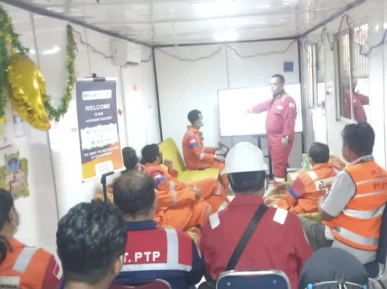
Logistics Field Coaching
Field logistics operations coaching is one of the most important tools for the continuing development of your logistics operations team. Although face to face team coaching and one-on-one coaching in the office and coaching during weekly operations team meetings are important, nothing is more effective at picking up strengths (to support) and areas for development (to coach) in field logistics representatives than spending time with them in the field on a routine basis.
Read MoreYoung Professionals Say Supply Chain is a Good Career Choice
The supply chain field is a good career choice, according to nearly all respondents (99%) in a new survey. The report, released Tuesday during the Council of Supply Chain Management Professionals (CSCMP) annual conference, collected responses from hundreds of supply chain professionals aged 30 and younger. Ninety-five percent of respondents say they’re excited to have a career in the supply chain field, and 97% would recommend others consider supply chain as a career.
This year, 58% of respondents said they chose to pursue a supply chain career due to the impact supply chain roles have in business and their tangible impact on outcomes. This is a significant increase from the 13% who cited this reason in 2019 and the 10% who noted it in 2017. The number of respondents entering the industry due to first-hand exposure, 38%, also increased over previous studies.
Young supply chain professionals said they are eager to continue their education on the job, and 95% of respondents expressed excitement for their development track and training opportunities. Young professionals generally remain satisfied with the compensation they receive, with 86% saying they earn enough to live on, 75% saying they are comfortable, and 48% saying they are well paid.
Overall, respondents reported that they are happy with their current employers, and they said they are staying at their current employer due to the work environment-culture or co-workers (60%), development opportunities (60%), and the salary and benefits (53%).
Source: https://www.supplychainbrain.com/articles/33786-young-professionals-say-supply-chain-is-a-good-career-choice
Read MoreThis year, 58% of respondents said they chose to pursue a supply chain career due to the impact supply chain roles have in business and their tangible impact on outcomes. This is a significant increase from the 13% who cited this reason in 2019 and the 10% who noted it in 2017. The number of respondents entering the industry due to first-hand exposure, 38%, also increased over previous studies.
Young supply chain professionals said they are eager to continue their education on the job, and 95% of respondents expressed excitement for their development track and training opportunities. Young professionals generally remain satisfied with the compensation they receive, with 86% saying they earn enough to live on, 75% saying they are comfortable, and 48% saying they are well paid.
Overall, respondents reported that they are happy with their current employers, and they said they are staying at their current employer due to the work environment-culture or co-workers (60%), development opportunities (60%), and the salary and benefits (53%).
Source: https://www.supplychainbrain.com/articles/33786-young-professionals-say-supply-chain-is-a-good-career-choice
10 questions to ask to find the best reverse logistics provider and to maximize profits from your sales channels
Reverse logistics refers to the transfer of products back up the supply chain from the customer to the supplier. It includes customer returns from retail sales, as well as the return of products and components to the distributor or manufacturer.
The growth of online shopping has seen the rate of retail returns climb to as much as 40% of sales. If product returns from your customers are costing your company time and money, have you considered outsourcing your returns management to a third-party provider? Or have you had an unsatisfactory experience with a provider in the past?
Some companies handle their own reverse logistics needs. But others choose to outsource reverse logistics to a third-party service provider. A third-party service that specializes in returns management will use the latest technologies to manage every stage of the returns life cycle. That will free up your resources to focus on increasing your sales.
A good reverse logistics provider will help you to:
• Elevate your customer experience
• Maximize returns value
• Protect brand integrity
• Reduce operational costs
• Minimize waste
To find the best reverse logistics provider for your business, you need to ask the right questions. Let’s look at 10 questions that will help you narrow down your options in the selection process:
1. Have You Worked With Similar Businesses in the Past?
2. Do You Have Product Restrictions?
3. How Extensive Is Your Warehouse Network?
4. Do You Offer Systems Integration?
5. How Fast Can You Process Returns?
6. How Is Your Pricing Structured?
7. Is Your Capacity Scalable?
8. Can You Handle Omnichannel Returns?
9. What Insurance Coverage Do You Provide?
10. How Do You Evaluate Your Performance?
An efficient reverse logistics process is essential to maximize profits from your sales channels.
Source: https://www.supplychainquarterly.com/blogs/2-scq-forum/post/5495-10-questions-to-ask-before-choosing-a-reverse-logistics-provider
Read MoreThe growth of online shopping has seen the rate of retail returns climb to as much as 40% of sales. If product returns from your customers are costing your company time and money, have you considered outsourcing your returns management to a third-party provider? Or have you had an unsatisfactory experience with a provider in the past?
Some companies handle their own reverse logistics needs. But others choose to outsource reverse logistics to a third-party service provider. A third-party service that specializes in returns management will use the latest technologies to manage every stage of the returns life cycle. That will free up your resources to focus on increasing your sales.
A good reverse logistics provider will help you to:
• Elevate your customer experience
• Maximize returns value
• Protect brand integrity
• Reduce operational costs
• Minimize waste
To find the best reverse logistics provider for your business, you need to ask the right questions. Let’s look at 10 questions that will help you narrow down your options in the selection process:
1. Have You Worked With Similar Businesses in the Past?
2. Do You Have Product Restrictions?
3. How Extensive Is Your Warehouse Network?
4. Do You Offer Systems Integration?
5. How Fast Can You Process Returns?
6. How Is Your Pricing Structured?
7. Is Your Capacity Scalable?
8. Can You Handle Omnichannel Returns?
9. What Insurance Coverage Do You Provide?
10. How Do You Evaluate Your Performance?
An efficient reverse logistics process is essential to maximize profits from your sales channels.
Source: https://www.supplychainquarterly.com/blogs/2-scq-forum/post/5495-10-questions-to-ask-before-choosing-a-reverse-logistics-provider